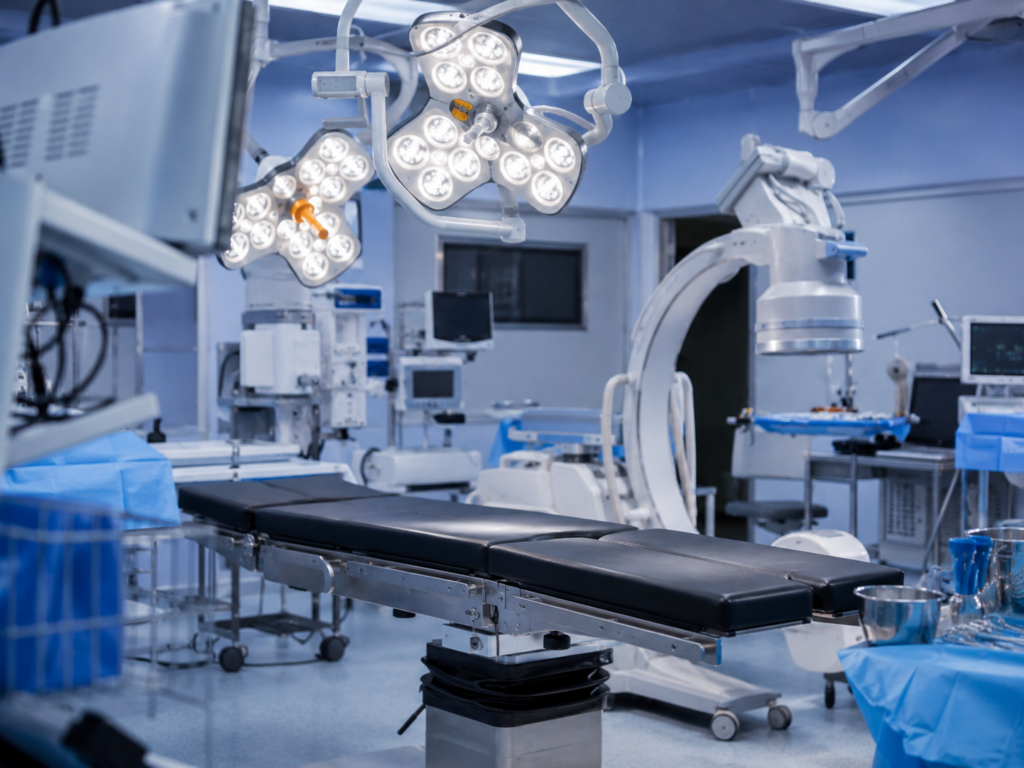
If you’re researching spine surgery in Korea, you’ll find something that surprises most first-time visitors: Korea isn’t just keeping pace with global spine care — it helped pioneer several of the techniques now used worldwide. This matters if you’re weighing a herniated disc, spinal stenosis, or fusion procedure and trying to figure out where the technology actually comes from, not just where it’s marketed.
This guide covers what makes Korea’s approach distinct, what to expect at a university hospital spine center, and how to think about cost and recovery realistically.
Spine Surgery in Korea: A Global Pioneer in Minimally Invasive Techniques
Minimally invasive spine surgery (MISS) covers a broad set of approaches — endoscopic systems, tubular retractors, image-guided navigation, and robotic assistance. Its role has progressively expanded across a wide range of spinal disorders. Korea’s involvement in this field isn’t recent. Korean spine surgeons in private practice began developing endoscopic spine surgery techniques in the late 1990s. They worked alongside European and US pioneers, and this eventually led to dedicated national research societies for the field.
That history matters for you as a patient. Korean spine surgeons have decades of experience with techniques many other countries still consider advanced. University hospitals have since built on this foundation. At Seoul National University Hospital, for example, a completed clinical study compared robotically-guided spine instrumentation against the conventional freehand technique. Researchers measured both short- and long-term outcomes for degenerative lumbar and lumbosacral spine disease.
Common Conditions Treated at Korean Spine Centers
Spine surgery isn’t one procedure — the right approach depends entirely on your diagnosis. Conditions commonly treated include:
- Herniated or slipped disc — often treated with microdiscectomy or endoscopic discectomy
- Spinal stenosis — decompression, with or without fusion
- Degenerative disc disease — ranging from conservative management to fusion
- Spinal deformity (scoliosis, kyphosis) — more complex reconstructive cases
- Cervical spine conditions — including disc replacement and ACDF (anterior cervical discectomy and fusion)
A straightforward lumbar decompression and a multi-level fusion for spinal deformity are very different undertakings — in surgical complexity, hospital stay, and recovery timeline. Be cautious of any source that quotes a single price or recovery estimate without asking which of these you actually need.
What to Expect at a Big 5 University Hospital Spine Center
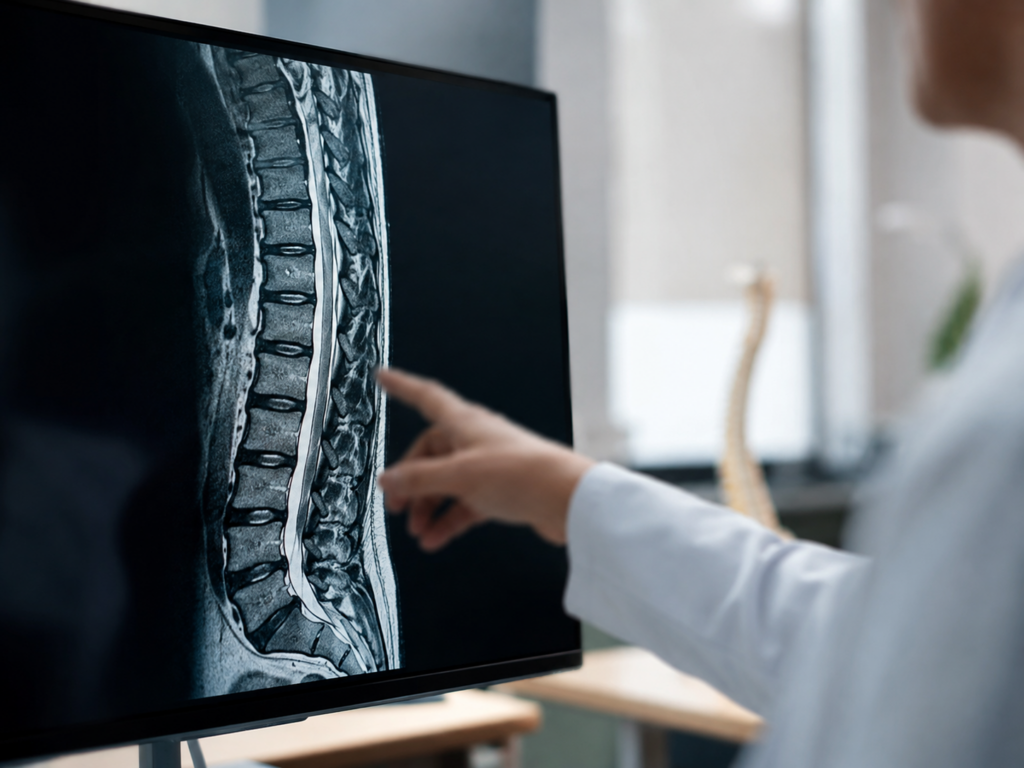
Spine care at Korea’s major university hospitals typically follows a structured path. This includes imaging review, a multidisciplinary consultation involving both orthopedic spine surgeons and neurosurgeons, and a treatment plan that fits your specific pathology rather than a one-size-fits-all package.
This is an active area of academic research, not just clinical practice. Spine teams at major Korean university hospitals regularly publish peer-reviewed research on minimally invasive techniques. This includes Samsung Medical Center’s Department of Orthopaedic Surgery, which focuses on complex spinal conditions. That’s a reasonable signal of ongoing clinical refinement, though it isn’t a reason to assume any one hospital is automatically the right fit — your specific diagnosis should drive that decision, ideally with input from the International Healthcare Center coordinating your case.
Cost Reality Check for Spine Surgery in Korea
Cost is where you’ll see the widest range of numbers online, and most of them come from medical tourism aggregators rather than hospitals themselves. Third-party sources report herniated disc surgery starting around $6,300–$8,400 at major Seoul hospitals. Figures vary significantly by aggregator, technique, and whether fusion hardware is involved. General industry estimates suggest savings of 50–70% compared to procedures in the US, depending on the destination and technique.
Treat these numbers as a rough starting orientation, not a quote. Korean hospitals don’t publish official pricing publicly, and your actual cost depends on your specific diagnosis, technique, implant needs, and length of stay. Always request a direct quote from the hospital’s International Healthcare Center once you have a confirmed diagnosis.
Recovery After Spine Surgery in Korea: Fly-Home Timelines
Recovery timing depends heavily on technique. As a general pattern reported across international patient sources, endoscopic procedures may allow travel within about a week. Major fusion surgery typically requires a longer window — often several weeks — before long-haul flights are advisable, due to blood clot risk. Your surgical team will give you a specific fit-to-fly timeline based on your procedure; airlines may also require documentation before boarding.
If your procedure requires an extended stay, it’s worth reviewing entry requirements early — see our Korea Medical Visa Guide for how the C-3-3 and G-1-10 categories apply to longer treatment and recovery periods.
Questions to Ask Before You Book
- What is my exact diagnosis, and which specific procedure is being recommended?
- Is a minimally invasive or endoscopic approach appropriate for my case, or does it require open surgery?
- What is the realistic hospital stay and fly-home timeline for my specific procedure?
- Can I get a written cost estimate directly from the hospital before traveling?
- Is a second opinion available before I commit to surgery?
For a broader look at how Korea’s leading hospitals use surgical technology more generally, see our guide to Robotic Surgery in Korea.
Quick Reference
| Procedure Type | Typical Approach | General Recovery Pattern |
|---|---|---|
| Herniated disc | Microdiscectomy or endoscopic discectomy | Faster; short hospital stay |
| Spinal stenosis | Decompression ± fusion | Moderate, depends on fusion |
| Spinal deformity | Multi-level fusion/reconstruction | Longer; more complex recovery |
| Cervical conditions | Disc replacement or ACDF | Moderate |
Always confirm your specific timeline and technique with your treating surgeon — this table is general orientation, not medical guidance.