If you’re planning treatment in Korea, arranging reliable medical interpreter services in Korea is often the first practical question you need answered. For most international patients, the biggest source of anxiety before a trip isn’t the treatment itself — it’s the fear of not being understood. Miscommunication during a consultation can mean a missed detail in your history, confusion about post-op instructions, or simply the stress of not knowing what’s happening to your own body.
The good news: Korea’s interpretation infrastructure for foreign patients is more mature than most first-time visitors expect. This guide covers exactly what’s available — from hospital-based interpreters to free government hotlines — so you know what to arrange before you land, and what you can rely on once you’re here. If you’re also sorting out your entry requirements, our Korea Medical Visa Guide is a good next stop.
Hospital-Based Medical Interpreter Services in Korea
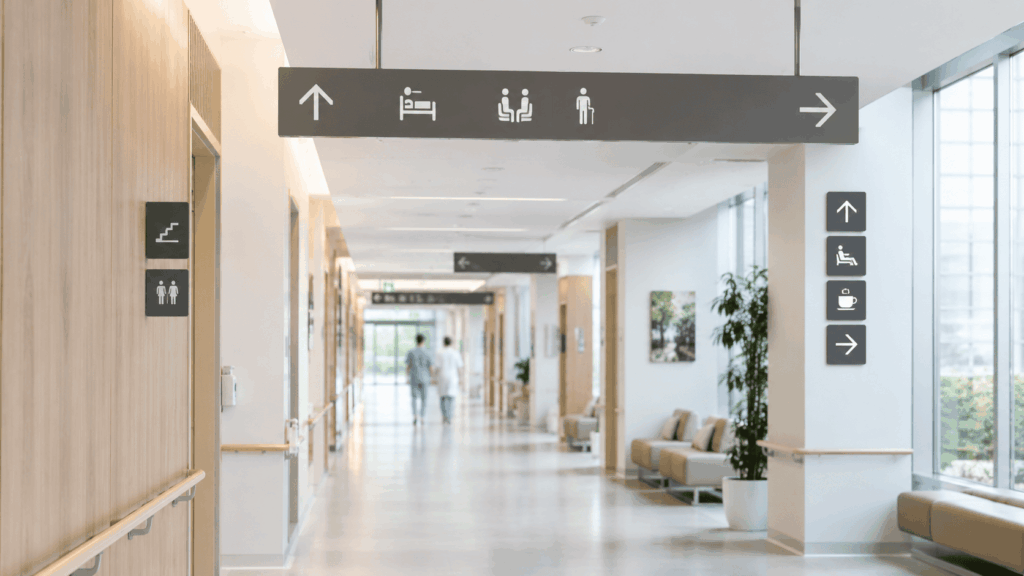
Most Korean university and tertiary hospitals — not just the largest ones — operate a dedicated International Healthcare Center (IHC): a department built specifically to register, guide, and interpret for foreign patients, separate from the general Korean patient flow. This is standard infrastructure at Korea’s major teaching hospitals. Most support English, plus two or more additional languages such as Chinese, Russian, Mongolian, or Arabic, depending on the institution.
This matters because it means you’re rarely choosing a hospital based on “does it have interpretation” — nearly every serious option does. What actually matters is which languages are covered, how quickly you can get an appointment, and whether a dedicated interpreter escort is included for your treatment.
How to actually use the IHC (so you don’t waste a day):
- Contact the IHC 3+ days before you plan to visit. Call or email at least 3 days ahead. Walk-ins are possible, but wait times can exceed 2 hours.
- Go straight to the International Center, not general reception. Present your passport or ARC, then fill out a basic medical history form in English.
- Budget for the consultation fee. University hospitals charge roughly ₩50,000–100,000 per consult, but this includes full English interpretation. As a short-term visitor without Korean national health insurance, expect the international patient rate.
- Bring prior medical records translated if possible. IHC interpreters handle spoken communication well, but arriving with your diagnosis history already in English speeds up the first consultation significantly.
- For complex or extended treatment, ask specifically about a dedicated interpreter escort. This isn’t automatic everywhere, but it’s common for services like full health screening days, where a 1:1 interpreter escort is often included by default.
Free Medical Interpreter Services Beyond the Hospital
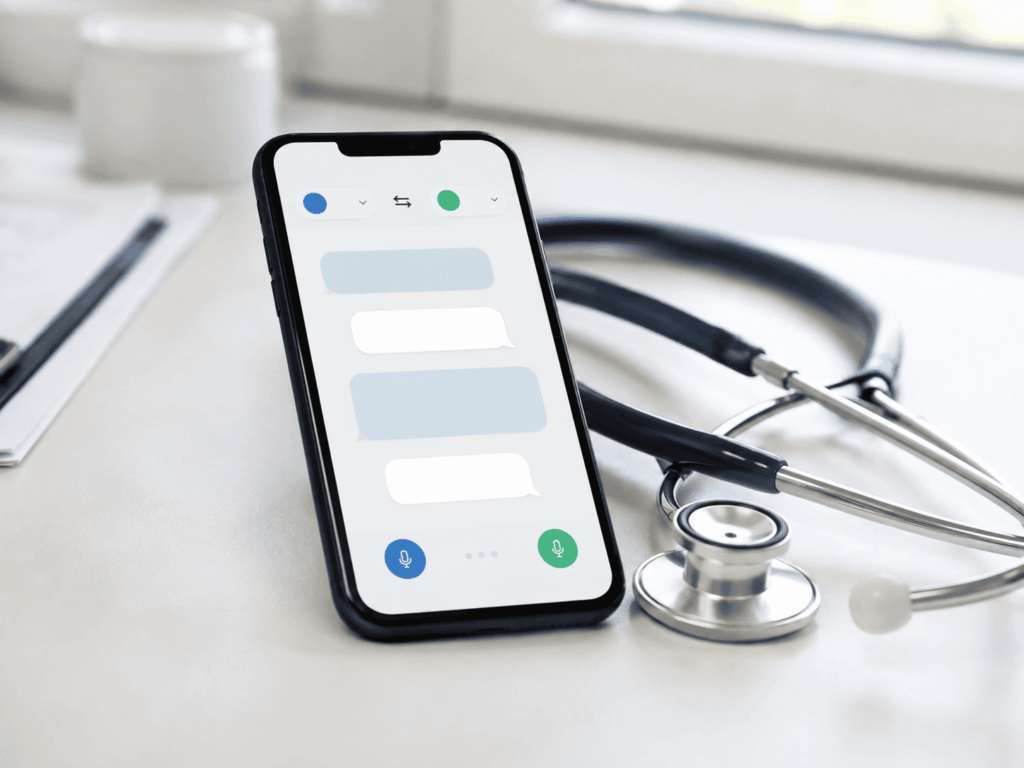
You don’t have to rely on the hospital alone. Korea has two well-established, free interpretation resources worth saving in your phone before you travel — useful for everything outside the exam room.
1330 Korea Travel Hotline
Run by the Korea Tourism Organization, this line covers more than sightseeing questions. 1330 provides not only tourism information but also interpretation services for foreign tourists, available 24 hours a day, in Korean, English, Japanese, Chinese, Russian, Vietnamese, Thai, Malay, and Indonesian (the last five during daytime hours). It’s a public service with no service fees — genuinely useful for anything from taxi disputes to explaining symptoms to a pharmacist before you even reach the hospital.
BBB Korea
A volunteer interpretation nonprofit that’s been running for decades. BBB Korea provides interpretation in 18 languages through thousands of volunteers. Callers connect directly to a live volunteer interpreter by phone, 24 hours a day, 7 days a week, for no charge beyond the basic call cost. It’s not medical-specific, but it works well for day-to-day communication needs around your treatment trip — hotel, transport, pharmacy.
119 Emergency Line
If something urgent happens outside hospital hours: dial 119 and an interpreter joins the call automatically, with support available in 16 languages and an average ambulance arrival time of 7–10 minutes. The government emergency ambulance service itself is free, though if a medical institution’s own ambulance is used, a service fee applies based on distance traveled.
Choosing the Right Support for Your Situation
- Single consultation or minor procedure → Hospital IHC is sufficient. Keep 1330 saved as backup for anything outside the hospital. Ongoing or complex treatment (cancer care, major surgery, extended stay) → Ask the IHC directly whether a dedicated interpreter escort is included. Don’t assume it is — confirm before you commit to a schedule. If you’re also weighing where to base yourself during a longer stay, see our Best Areas to Stay in Seoul guide. Anything outside hospital hours → 119 for emergencies, BBB Korea for everyday needs.
Quick Reference
| Service | Best For | Cost | Languages |
|---|---|---|---|
| Hospital IHC | Full consultations & treatment | Included in consult fee | Typically English + 2–5 more, varies by hospital |
| 1330 Hotline | General travel + light medical questions | Free | 9 languages |
| BBB Korea | Day-to-day communication | Free (call cost only) | 18 languages |
| 119 | Emergencies | Free (ambulance fee may apply) | 16 languages |
Whether you rely on hospital-based medical interpreter services in Korea or one of the free hotlines above, the key is knowing which one fits your situation before you need it.